

Keeping your kitchen clean and hygienic can be surprisingly satisfying, and it does a lot more than just make your space look nice. A clean kitchen is one of the most effective ways to protect yourself and your family from foodborne illnesses. The kitchen is where you store, prep, and cook your food, so keeping this space tidy and sanitary is really important for food safety and peace of mind. Here’s how I keep my kitchen feeling fresh and bug-free every day.
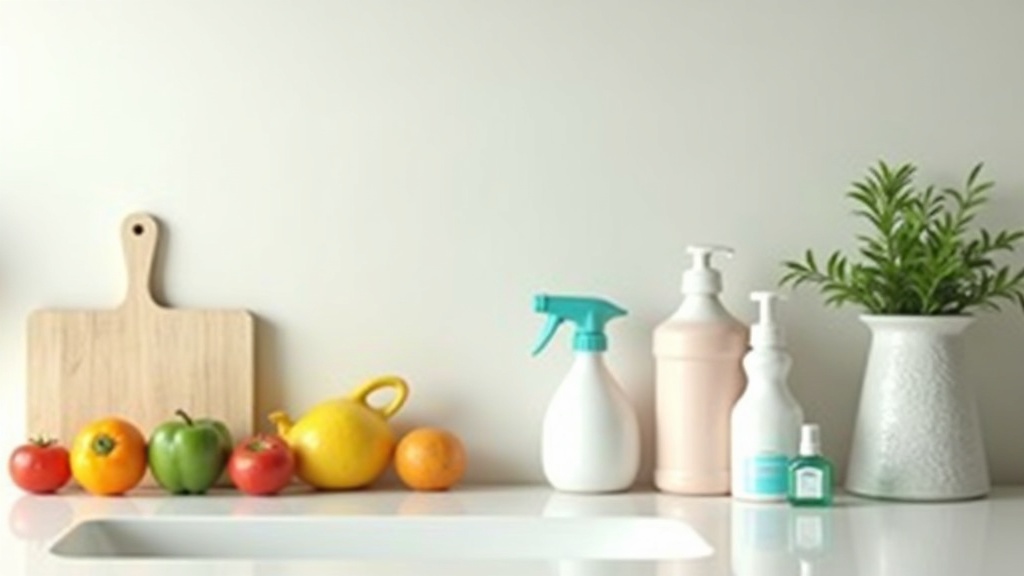
Why Kitchen Cleanliness Really Matters
Cleanliness is basically your kitchen’s secret weapon against foodborne illness. Bacteria like E. coli and Salmonella love damp, dirty places. Spots like cutting boards, kitchen sponges, and even crumbs on the counter can turn into a cozy hideout for germs. Even if your food looks and smells fine, invisible bacteria can still be hanging around. That’s why regular cleaning isn’t just about appearances; it’s about staying healthy too.
Food safety at home is a team effort, and what you do in your kitchen has a real impact. According to the USDA, sticking to four core habits—Clean, Separate, Cook, and Chill—sets you up for success. Today, I want to focus on the first one: cleanliness. Source: USDA Cleanliness Tips
Building a Simple Cleaning Routine
The basics of kitchen hygiene don’t need to be complicated or time-consuming. Consistency really pays off, and these simple steps keep things under control:
- Hand Washing: Start with your hands. Always wash with warm, soapy water for at least 20 seconds before touching any food and after handling raw meat, eggs, seafood, or trash. Even after sneezing, playing with pets, or using the bathroom, a quick scrub makes all the difference.
- Wipe Down Surfaces: Counters, sinks, tables, and stovetops all need a regular wipe down, especially after prepping food. Hot, soapy water gets rid of most grime, and a spritz of disinfectant adds extra peace of mind.
- Change Out Dishcloths: Replace kitchen towels and sponges frequently. I toss towels in the hot cycle every couple of days, and I like to swap out sponges weekly or sooner if they start to smell funky.
One helpful tip I’ve picked up is to keep a small bottle of hand sanitizer near the sink. It’s an easy backup for those moments when you’ve got your hands full but need a quick clean, especially when cooking with kids or during really busy meal preps. Also, having a little basket for dirty towels right by the kitchen door has made it easier to swap them out without forgetting.
Kitchen Hotspots That Need Attention
Not all kitchen surfaces are created equal. Some areas are more likely to collect germs, and these are the spots I always give a little extra attention:
- Cutting Boards: Rinse immediately after use, scrub with hot, soapy water, and disinfect with a diluted bleach solution (1 tablespoon of unscented liquid chlorine bleach per gallon of water). Boards made from plastic, glass, or solid wood can go in the dishwasher. Once a board gets deep grooves or is hard to clean, I swap it out for a new one.
- Utensils and Knives: Wash right after use, especially if they touched raw meat or eggs. Don’t use the same spatula or tongs for cooked food that you used for raw food. A quick wash helps prevent cross-contamination.
- Kitchen Thermometer: Scrub your food thermometer with hot, soapy water after every use. This step often gets skipped, but keeping it clean is super important if you want accurate, safe readings.
- Sink and Drain: Food bits and grease build up here fast. I give my sink and drain a daily clean, plus a disinfecting scrub once or twice a week.
A big tip here is not to forget about the toaster crumbs tray or under any small appliances. Little piles of crumbs can attract pests, so take a moment each week to empty those out. Wiping door handles and the fridge seal is another tiny step that can make a big overall difference.
Managing Cross-Contamination

Cross-contamination is when germs from raw foods get transferred to ready-to-eat items or clean utensils and surfaces. I used to think it was a rare event, but it turns out that bacteria can move around the kitchen in sneaky ways. Even splashes from raw chicken can end up on a utensil handle, a nearby spice jar, or faucet without you realizing it, so it pays to pay attention in every step.
- Separate Raw and Cooked Foods: Always use different plates and cutlery for raw and cooked meat, poultry, and seafood. Never let cooked food sit on an unwashed dish that held raw items.
- Store Safely in the Fridge: Keep raw meat, fish, and eggs on the bottom shelf in sealed containers. That way, juices can’t drip onto other foods.
- Clean as You Go: After prepping raw proteins, I always wash my hands, knives, and cutting board before working with anything else. It feels like a lot of washing, but it only takes a minute or two, and it keeps everything safer.
Something extra that helps is using color-coded cutting boards for meat, veggies, and bread. This small change makes it super easy to spot which board to use and helps avoid mistakes, especially when multiple people are cooking at once. It also helps kids and family members who might not remember all the rules yet.
Smart Tips for Kitchen Cleanup
Staying ahead of messes really keeps things under control. A few tricks I use to make cleanup less of a hassle:
- Paper Towels or Disposable Wipes: These are really handy for quick, germy messes or cleaning up after raw meat. If I use dishcloths, I hang them up to dry right after using and wash them in hot water regularly.
- Weekly Deep Clean: Every week, I set aside time to go a bit deeper. This means scrubbing backsplashes, cleaning the microwave and oven, and wiping cabinet handles and fridge doors.
- Keep Clutter Away: Pets, backpacks, mail, and cleaning supplies don’t belong on kitchen counters. The less you’ve got on your workspace, the easier it is to keep it clean.
To make deep cleaning easier, I keep a checklist taped inside a cabinet, so nothing gets missed. I also set a timer for just 20 minutes, and I’m usually surprised at how much I get done in that time.
Sanitizing: When Soap and Water Isn’t Enough
Sometimes hot, soapy water isn’t enough, especially after working with raw meat, eggs, or anything particularly grubby. That’s when I bring in a safe, food-contact sanitizer (usually a bleach solution or store-bought spray).
- How I Do It: After the usual wash and rinse, I spray or wipe down hard surfaces with the sanitizer, let it sit for the required time (check the label), and air dry or towel dry with a fresh paper towel.
- Appliance Handles and Knobs: Germs love to collect here. These spots get a spritz and wipe during my weekly deep clean, but if I’ve handled raw meat, I’ll do it sooner.
Another trick is to keep a small bottle of premixed bleach solution in a clearly labeled spray bottle under the sink (out of reach of kids). That way, it’s easy to grab as needed. Just be sure to mix a fresh batch every week for safety and effectiveness.
Special Situations: Outdoor BBQs and Picnics
When eating or prepping outdoors, things can get a little messier. I always pack extra clean utensils and cloths—one for each stage of food prep (raw and cooked). I also bring a couple of sealable bags to stash dirty items until I can wash them at home. Having a mini bottle of hand soap and plenty of bottled water is pretty handy if you’re away from a sink. Antibacterial wipes can be a lifesaver for quick cleanups until you’re home again.
Quick Troubleshooting for Common Kitchen Cleanliness Problems
- Persistent Odors: If you keep noticing a funky smell, check sponges, the garbage disposal, and trash cans. I clean the disposal weekly and swap out sponges or scrubbers often. Tossing a lemon wedge into the disposal while running hot water helps too.
- Stains on Counters: Baking soda and a dash of water usually do the trick. Just don’t scrub too hard on delicate surfaces. For tougher stains, letting a baking soda paste sit for several minutes before wiping can make a big difference.
- Sticky Cabinet Handles: Warm, soapy water on a rag loosens buildup, and a quick wipe down with disinfectant keeps handles fresh.
Extra Tips for a Happier, Safer Kitchen
- Stay Organized: Group similar items together in the fridge and pantry. I use clear bins to separate veggies, meat, and snacks.
- Keep Pets and Clutter Away: I keep my cat and random household stuff off the counters for hygiene and to make food prep easier. Consider setting up a pet feeding station far away from any food prep zones for extra peace of mind.
- Post a Cleaning Checklist: I keep a simple list on my fridge as a reminder for the daily, weekly, and deep-clean tasks. Super useful if you share the kitchen with roommates or family.
- Inspect Expiration Dates: Regularly check spices, sauces, and dry goods for dates and freshness. Clean out expired items to keep storage areas clutter-free and reduce potential mess.
If you’re going through a busy time, use reminders or alarms on your phone to prompt you for daily chores or to swap out sponges. Sometimes that’s all it takes to stick with a solid habit until it becomes second nature.
Frequently Asked Questions
How often should I disinfect my cutting boards?
Every time you use them, especially after cutting raw meat, poultry, or fish. Regular deep cleaning keeps bacteria from building up.
What’s better: disposable paper towels or reusable cloths?
Both work. Paper towels are more hygienic for raw meat messes, but reusable cloths are eco-friendly for everything else if you wash them often in hot water.
Is it safe to use bleach in the kitchen?
Yes, when properly diluted. About 1 tablespoon of unscented bleach per gallon of water is safe for sanitizing. Make sure to rinse surfaces after if there’s any residue.
Do I need special cleaners for appliances?
A basic multipurpose cleaner works fine for most surfaces. Just double-check that it’s safe for food-contact areas, and avoid harsh chemicals on anything that touches food.
How do I handle a kitchen mess quickly?
I keep wipes or a spray bottle with diluted vinegar and water ready for quick spills. Tackling messes right away makes deep cleaning a lot easier later.
Keeping Foodborne Illness Off the Menu
I’ve found that good old fashioned cleanliness really does make a difference in the kitchen. Bacteria can hide in the most unexpected spots, but regular hand washing, sanitizing surfaces, swapping out dirty tools, and staying on top of clutter help keep my kitchen healthy. Simple habits make a big impact, and a clean kitchen is an easy way to show you care for family and friends. No need to go overboard. Just stick with a solid routine and stay alert to the little things.
For more info or specific cleaning tips, you can always check out the official USDA page on cleanliness and food safety here.